How to Start with Beginner Skincare Tips
5/25/20265 min read
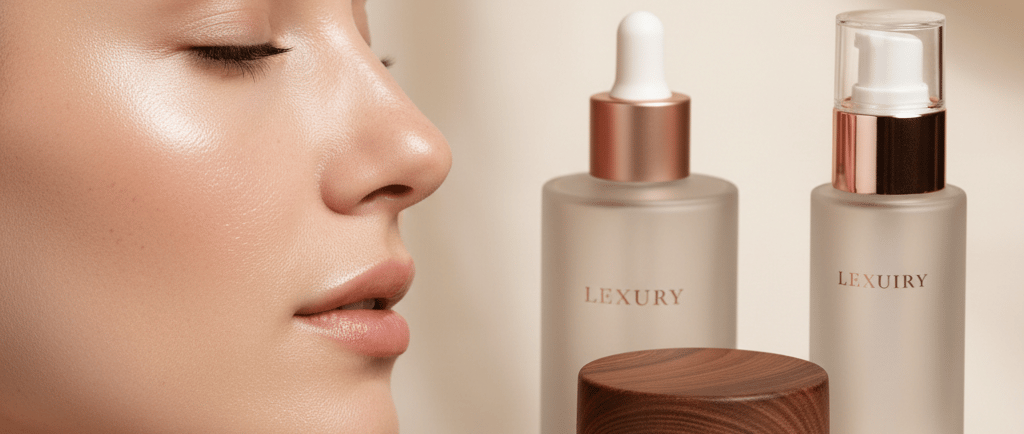

Understanding Your Skin Type
When embarking on a skincare journey, the first crucial step is to understand your unique skin type. The five primary skin types include normal, oily, dry, combination, and sensitive skin. Knowing your skin type is essential, as it significantly influences the products and regimen you should adopt.
To identify your skin type, begin by observing how your skin behaves throughout the day. For example, if your skin feels tight or rough, particularly after cleansing, you may have dry skin. Conversely, if your skin appears shiny and is prone to breakouts, you likely fall into the oily category. Combination skin often presents as an oily T-zone (forehead, nose, chin) while maintaining dryness on the cheeks. Lastly, sensitive skin can react negatively to various products or environmental changes, leading to redness or irritation.
The time of year can also play a significant role in your skin's condition. Many individuals notice that their skin becomes drier in winter due to decreased humidity, while summer heat can exacerbate oil production. It is important to adjust your skincare routine accordingly. Additionally, external factors such as diet, stress, and pollution may impact your skin's appearance and health.
To accurately assess your skin type, consider conducting the "bare-faced" test. This involves washing your face with a gentle cleanser and leaving it undisturbed for an hour. After this period, observe how your skin feels. Does it feel tight, oily, or balanced? This observation will aid in determining the most suitable products for your skincare routine. Ultimately, understanding your skin type is foundational to establishing an effective and personalized skincare regimen.
Basic Skincare Routine Steps
Establishing a basic skincare routine is crucial for maintaining healthy skin, especially for beginners. This routine typically involves four essential steps: cleansing, toning, moisturizing, and applying sunscreen. Each step plays a vital role in achieving radiant skin, and consistency is key to seeing positive results.
The first step, cleansing, is vital for removing dirt, oil, and impurities accumulated on the skin surface throughout the day. A gentle cleanser suited for your skin type is recommended. For oily skin, consider a foaming or gel cleanser that can effectively eliminate excess sebum. Conversely, cream or hydrating cleansers are beneficial for dry or sensitive skin types. Gently massaging the cleanser into the skin for about 30 seconds ensures thorough cleaning without harsh scrubbing.
Following cleansing, the second step is toning. A toner helps to balance the skin's pH, tighten pores, and prepare the skin for subsequent products. Look for alcohol-free toners that contain soothing ingredients like aloe vera or rose water. Applying toner with a cotton pad can enhance absorption and effectiveness.
The third step, moisturizing, is essential to hydrate the skin and maintain its barrier function. Choose a lightweight moisturizer for oily skin and a richer, creamier formulation for dry skin. Apply moisturizer while the skin is still damp to lock in hydration effectively. Finally, the last and arguably most important step is applying sunscreen. Broad-spectrum sunscreen protects against harmful UV rays and should be applied daily, even on cloudy days. A minimum of SPF 30 is recommended, and reapplication is vital during prolonged sun exposure.
In conclusion, following these basic skincare routine steps can significantly improve skin health and appearance. By incorporating suitable products and practicing consistency, beginners can establish a solid foundation for their skincare journey.
Common Skincare Ingredients to Look For
Understanding common skincare ingredients is essential for beginners looking to establish an effective routine. These ingredients offer various benefits and cater to different skin types, which can enhance one's skincare journey.
Hyaluronic Acid is a powerhouse ingredient known for its incredible ability to retain moisture. It can hold up to 1000 times its weight in water, making it ideal for all skin types, especially dry or dehydrated skin. Regular use can lead to plumper, more youthful-looking skin without any significant side effects.
Salicylic Acid, a beta hydroxy acid (BHA), is particularly beneficial for individuals with oily or acne-prone skin. It penetrates deep into pores, effectively preventing breakouts and reducing inflammation. However, overuse can lead to dryness or irritation, making it essential to introduce this ingredient gradually.
Retinol, a derivative of vitamin A, is widely praised for its anti-aging properties. It works by promoting cell turnover and stimulating collagen production. While effective for mature skin, beginners should approach retinol cautiously; starting with lower concentrations can minimize potential irritation.
Vitamin C is another crucial ingredient, known for its antioxidant properties. It helps combat environmental stressors, brightens the skin, and can improve overall skin tone. Suitable for most skin types, vitamin C is generally well-tolerated, although some may experience mild sensitivity.
Additional ingredients worth noting include niacinamide, which helps to improve skin barrier function and reduce redness, and peptides, which aid in skin repair and elasticity. Each ingredient plays a unique role, and understanding its function, suitable skin types, and potential side effects can empower beginners to make informed choices in their skincare routines.
Frequently Asked Questions (FAQs) About Beginner Skincare
Starting a skincare routine can be daunting for many, leading to a plethora of questions. One of the most common inquiries revolves around how long it takes to see results from a new skincare regimen. Generally, it can take anywhere from a few weeks to a couple of months to notice improvements in skin texture, brightness, and overall health. Patience is key, as the skin requires time to adjust and respond to the new products being introduced.
Another frequently asked question pertains to the necessity of having both daytime and nighttime skincare routines. While it is possible to streamline your regimen, experts often recommend distinct routines for morning and evening. A daytime routine usually focuses on hydration and protection from environmental stressors, including the application of sunscreen, while a nighttime routine is often aligned with repair and nourishment, allowing products to work while you sleep.
Beginners may also express concerns about skin issues arising during routine adjustments, such as breakouts or dryness. It is not uncommon for skin to react to new products, particularly when transitioning from one regimen to another. This phenomenon, sometimes referred to as "purging," can occur as pores are cleared. However, understanding your skin type and the products suitable for it can mitigate adverse reactions. If irritation persists, consulting with a dermatologist or skincare professional is advisable.
In summary, embarking on a skincare journey involves a fair amount of learning and adjustment. By addressing common queries and concerns, beginners can gain confidence in their routines and pave the way for healthier skin.