Discover the Best Skincare Products for Acne Scars: Natural Solutions for Glowing Skin
5/26/20268 min read

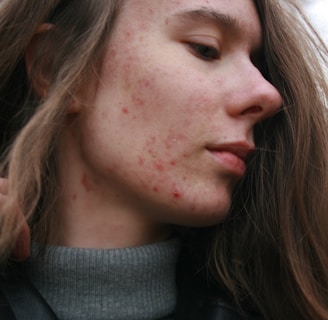
Understanding Acne Scars: Causes and Types
Acne scars are a common concern for individuals who have experienced acne outbreaks. These scars occur when the skin heals after an acne lesion, leaving behind residual marks. The types of acne scars can primarily be categorized into three groups: atrophic scars, hypertrophic scars, and post-inflammatory hyperpigmentation.
Atrophic scars are the most prevalent type, characterized by their sunken or depressed appearance on the skin's surface. These scars result from a loss of collagen during the healing process, which contributes to a lack of volume where the acne once was. Subtypes of atrophic scars include icepick scars, which are deep and narrow, boxcar scars, which have well-defined edges, and rolling scars that feature a wave-like, undulating surface.
Conversely, hypertrophic scars are raised above the surrounding skin. They occur when the healing process produces an excess of collagen. While less common in acne cases, hypertrophic scars can be more pronounced and require specific treatments to manage or reduce their appearance.
Additionally, post-inflammatory hyperpigmentation (PIH) refers to discoloration that remains after the acne has healed. This pigmentation can manifest as dark or red spots, varying in depth and intensity. PIH is often a temporary condition, but it can be persistent and may take months to fade completely.
The underlying causes of these scars are predominantly linked to the inflammatory response of the skin during active acne. When acne lesions form, they provoke inflammation that leads to excessive collagen production or destruction, depending on how the skin heals. This dual process is central to understanding why some individuals may develop scars while others may not, as genetic factors and skin type also play significant roles in scar formation.
Key Ingredients to Look for in Skincare Products
When seeking effective skincare products for fading acne scars, certain key ingredients can significantly enhance the process of skin repair and texture improvement. Understanding how these components work can empower individuals to make informed choices about their skincare routines.
One of the most acclaimed ingredients is vitamin C. This powerful antioxidant helps to brighten the skin and boost collagen production, which is essential for skin healing. By neutralizing free radicals, vitamin C aids in diminishing the appearance of scars and promotes an even skin tone.
Retinol, a derivative of vitamin A, is renowned for its ability to accelerate cell turnover. This process not only helps to fade hyperpigmentation but also improves the overall texture of the skin. Regular application can make scars less noticeable over time while also preventing the formation of new blemishes.
Another vital ingredient is hyaluronic acid, known for its remarkable hydrating properties. It draws moisture into the skin, thereby enhancing its elasticity and overall appearance. With well-hydrated skin, the healing process is optimized, allowing scars to soften and blend seamlessly with surrounding skin.
Niacinamide, or vitamin B3, is also effective in treating acne scars. It helps reduce inflammation and supports the skin’s barrier function, which is crucial for healing. Additionally, niacinamide is known to lighten hyperpigmentation, making it a dual-purpose ingredient that can tackle scars and improve the skin’s overall appearance.
Lastly, chemical exfoliants such as alpha and beta hydroxy acids (AHAs and BHAs) can help in renewing the skin’s surface. By removing dead skin cells, these exfoliants encourage new cell growth and can significantly fade acne scars over time. Each of these ingredients plays a unique role in not only fading scars but also promoting healthier, glowing skin.
Top Serums for Reducing Acne Scars
When it comes to skincare for acne scars, serums are an essential part of any effective treatment regimen. Specifically formulated to target skin concerns, these concentrated solutions can penetrate deeply and promote healing. Here, we present some of the best serums that are beneficial in reducing the appearance of acne scars, incorporating key ingredients like vitamin C, hyaluronic acid, and niacinamide.
One highly recommended serum is the Vitamin C Serum. This powerful antioxidant is known for its brightening properties, which can help diminish the visibility of scars. Vitamin C works by inhibiting melanin production, leading to a more even skin tone. For optimal results, it is recommended to apply this serum in the morning before moisturizing and sunscreen. This serum is suitable for all skin types, including sensitive skin.
Another effective option is a Niacinamide Serum. Niacinamide is praised for its ability to enhance skin barrier function while reducing inflammation and redness associated with acne and its scars. Regular use can significantly improve skin texture and tone. Best applied twice daily, niacinamide serums are particularly beneficial for oily and combination skin types that are prone to breakouts.
Additionally, consider investing in a Hyaluronic Acid Serum. Known for its exceptional hydrating properties, hyaluronic acid helps maintain skin moisture while promoting healing. By keeping the skin hydrated, this serum aids in the regeneration process of damaged skin. It can be used day or night and is ideal for all skin types, even those suffering from dryness after acne treatments.
In selecting these serums, consistency is vital. Incorporating them into your daily skincare routine can lead to notable improvements in the appearance of acne scars, resulting in clearer, more radiant skin.
Moisturizers That Help Brighten and Heal
Moisturizers play a pivotal role in skin recovery, particularly for those dealing with acne scars. An effective moisturizer not only hydrates the skin but also contributes to the regeneration process vital for healing imperfections. When selecting moisturizers, it is essential to choose those that are non-comedogenic to avoid clogging pores, which can exacerbate existing skin issues.
One highly recommended product is a moisturizer containing hyaluronic acid. This ingredient is known for its ability to draw moisture into the skin, providing a plump and hydrated appearance. Additionally, it can assist in diminishing the visibility of scars over time. Another beneficial component is niacinamide, known for its brightening properties, which may help to reduce the overall pigmentation of acne scars and improve skin texture.
For those aiming for a more holistic approach, incorporating moisturizers infused with plant-based oils, such as rosehip oil or jojoba oil, can be particularly advantageous. These natural oils are rich in essential fatty acids and vitamins, fostering a healthier complexion while simultaneously supporting the healing process. Moreover, they can offer soothing properties that alleviate irritation often associated with acne scars.
It is also beneficial to look for moisturizers that contain peptides. These small chains of amino acids promote skin elasticity and resilience, critical factors in the healing of scars. Regular use of a moisturizer enriched with these ingredients not only enhances skin hydration but also aids in the revitalization of the skin’s barrier, promoting a healthy and radiant appearance.
In summary, selecting the right moisturizer is fundamental in the journey toward minimizing acne scars. By focusing on non-comedogenic products rich in hydrating and skin-loving ingredients, individuals can effectively support their skin's healing journey while achieving a luminous complexion.
Effective Treatment Options for Acne Scars
Acne scars can manifest in various forms, and finding the right treatment is essential for restoring skin’s appearance. Numerous options are available, ranging from professional treatments to at-home remedies.
Professional treatments are often sought for their efficacy in delivering noticeable results. Chemical peels involve the application of a solution that exfoliates the top layer of skin, promoting regeneration and, in turn, can significantly reduce the appearance of scars. It is important to consult with a dermatologist to determine the right type of chemical peel, as some are more suited for specific skin types.
Laser therapy is another highly effective method for treating acne scars. This treatment works by targeting the dermal layers of the skin without harming the outer layers. The procedure stimulates collagen production, leading to smoother skin texture over time. Multiple sessions may be required, and side effects can include temporary redness.
Microneedling is a minimally invasive option that utilizes fine needles to create micro-injuries in the skin, prompting a natural healing response. This promotes collagen and elastin production, which can improve the appearance of acne scars. Patients typically require several sessions to achieve optimal results, and the downtime is usually minimal.
For individuals who prefer at-home treatments, there are various over-the-counter products that contain active ingredients like salicylic acid and retinoids. These formulations can help exfoliate the skin and enhance cell turnover. Another popular at-home solution includes the use of silicone gel sheets, which have shown promise in flattening raised scars and decreasing their visibility.
Each of these options can be effective, but results vary based on individual skin types and the specific nature of the scars. Consulting with a skincare professional can provide personalized recommendations tailored to specific needs.
Creating a Daily Skincare Routine for Acne Scars
Developing a structured skincare routine can significantly benefit individuals dealing with acne scars. A well-defined regimen should include cleansing, treating, and moisturizing the skin, with specific products chosen to target the unique needs of the skin affected by acne scars.
Morning Routine:
Start your day with a gentle cleanser that effectively removes impurities without stripping vital moisture. Look for a cleanser containing salicylic acid or tea tree oil, as these ingredients help prevent further breakouts while preparing the skin for subsequent treatments. Following cleansing, apply a targeted treatment containing ingredients such as niacinamide or vitamin C, which are recognized for their ability to improve skin tone and texture. These ingredients work to fade acne scars and promote overall skin brightness.
After the treatment, it is crucial to apply a lightweight, non-comedogenic moisturizer that will hydrate the skin without clogging pores. A product containing hyaluronic acid can be particularly beneficial, as it draws moisture into the skin and enhances its elasticity. To conclude your morning routine, apply a broad-spectrum sunscreen with at least SPF 30. This step is essential for protecting the skin from UV damage, which can exacerbate the appearance of scars.
Evening Routine:
In the evening, repeat the cleansing step to remove makeup and daily grime. Opt for a cleanser with gentle exfoliating capabilities, such as alpha hydroxy acid (AHA), which aids in the removal of dead skin cells and promotes cell turnover—essential for minimizing the appearance of scars. Following cleansing, consider incorporating a retinol product a few times a week. Retinol is known for its effectiveness in boosting collagen production and improving skin texture.
Finish your evening routine with a nourishing moisturizer to lock in hydration overnight. Consider products containing ingredients like jojoba oil or ceramides to repair the skin barrier and enhance the skin’s natural healing process.
Lifestyle Changes to Support Skin Healing
The process of healing acne scars is significantly influenced by lifestyle choices. Maintaining a balanced diet is one of the primary steps toward enhancing skin health. Nutrient-rich foods, particularly those high in vitamins C and E, promote healing and rejuvenation by supporting collagen production and providing antioxidants that protect the skin from further damage. Incorporating plenty of fruits and vegetables into one’s meals helps ensure that the skin receives essential nutrients that often become depleted during acne outbreaks.
Hydration is another crucial aspect of skin health that cannot be overlooked. Drinking adequate water helps to maintain skin elasticity and assists in the detoxification processes in the body. Well-hydrated skin appears plumper and healthier, which can reduce the visibility of scars over time. Aim for at least eight glasses of water a day, adjusting for activity level and environmental factors to meet individual hydration needs.
Sun protection also plays a vital role in the healing process. Exposure to the sun can exacerbate hyperpigmentation and make scars more prominent. Using a broad-spectrum sunscreen with an SPF of 30 or higher protects the skin from harmful UV rays, thereby preventing further discoloration and allowing scars to heal more effectively. Additionally, wearing protective clothing and seeking shade during peak sunlight hours can further reduce sun exposure.
Finally, managing stress levels is essential for maintaining overall skin health. Stress can trigger hormonal changes that may lead to increased oil production and acne flare-ups. Incorporating stress-relief techniques such as mindfulness, meditation, or regular physical activity can improve emotional well-being and positively impact skin conditions. By adopting these lifestyle changes—balanced nutrition, adequate hydration, sun protection, and stress management—individuals can create a conducive environment for skin healing, thereby enhancing the appearance of acne scars and promoting a healthier complexion.